
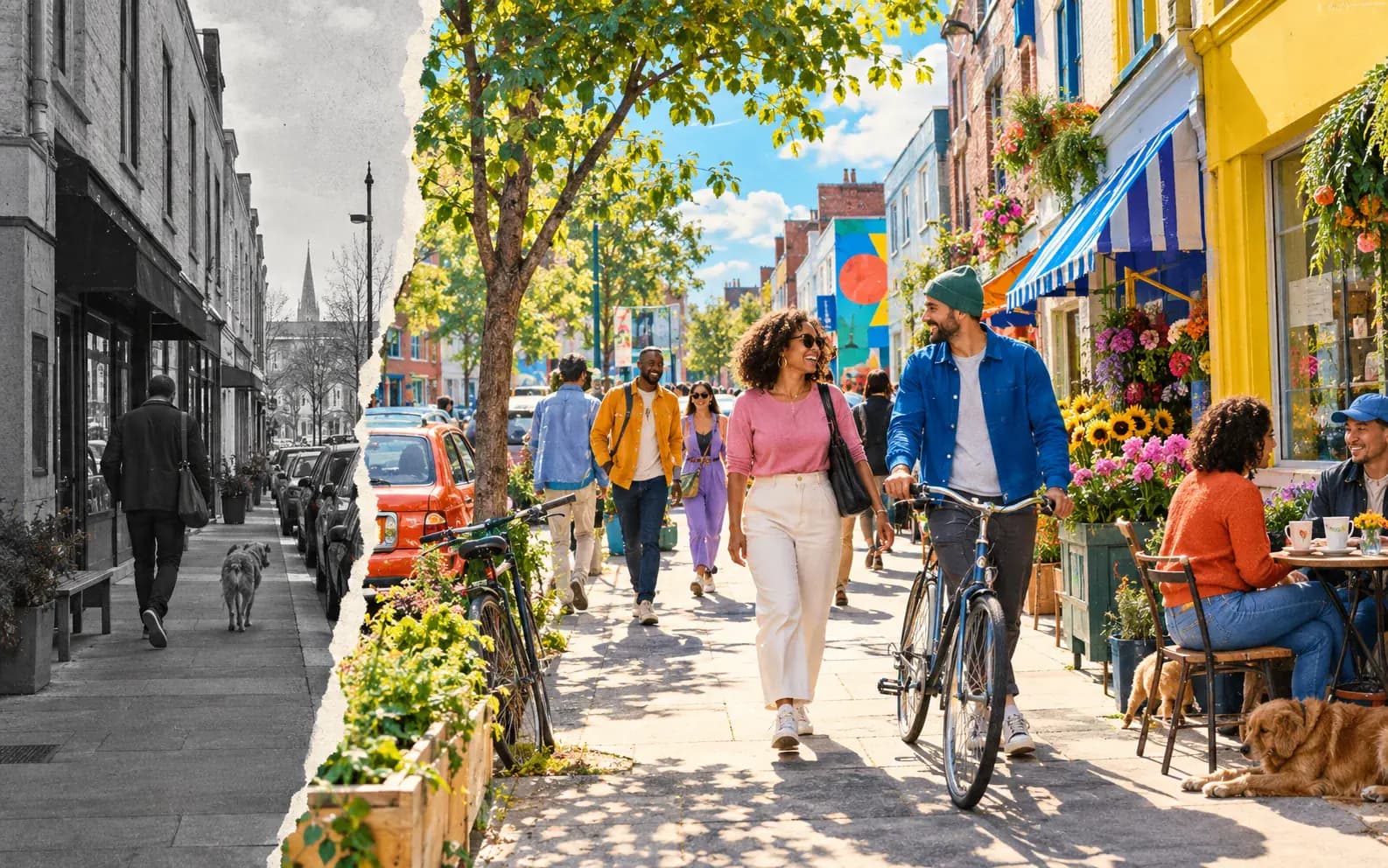
A car park full of neutral vehicles can make it feel as though everyday life is losing its colour. There is evidence of greying in some settings, but it does not establish a single trend across everything we buy, wear or build.
The evidence behind the feeling
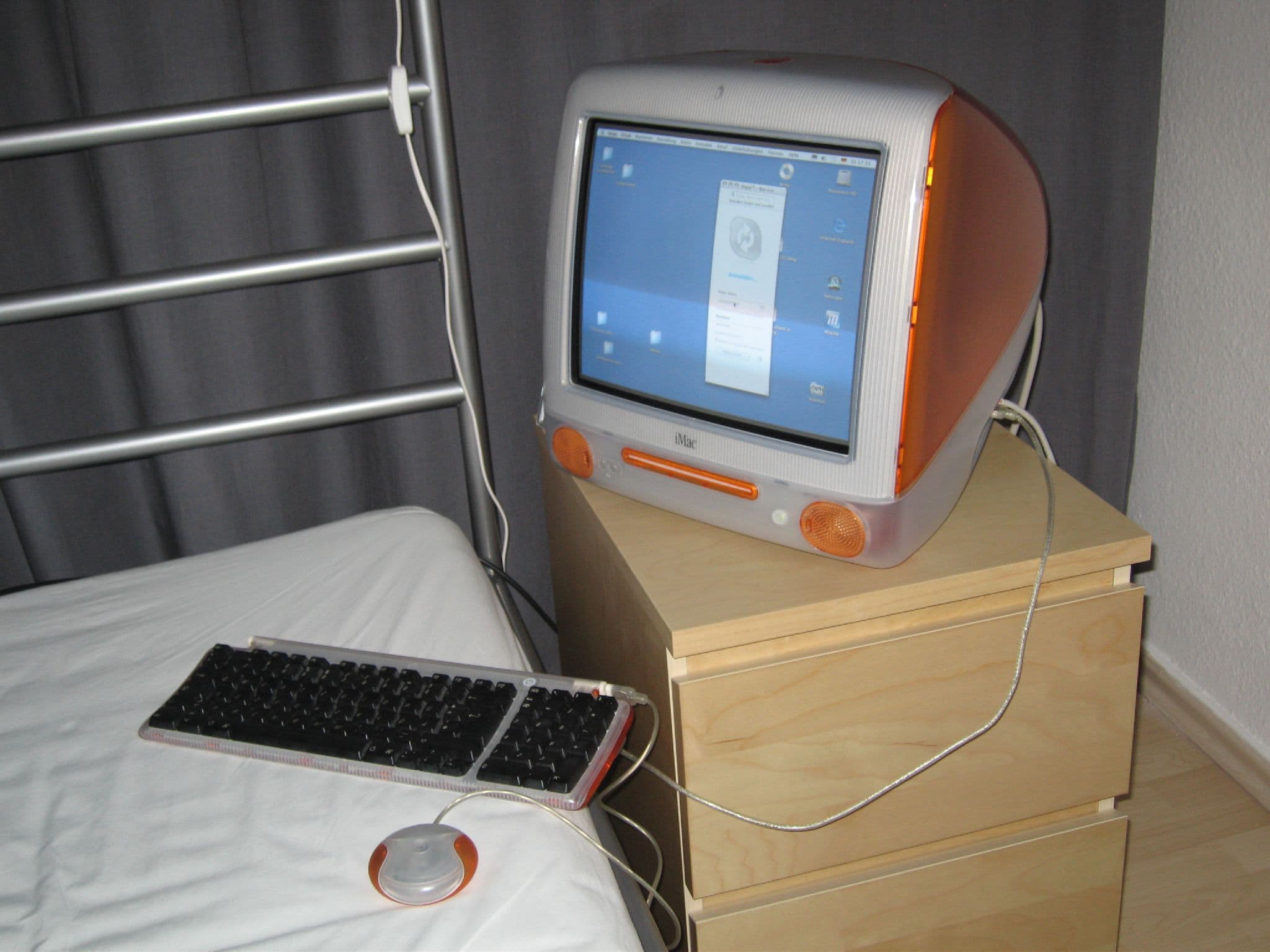
In 2020, the Science Museum Group analysed photographs of 7,083 objects across categories including domestic appliances, photography, lighting and communications. Its most notable finding was a rise in grey over time, matched by a decline in brown and yellow. Phones from the 1960s, 70s and 80s covered a broader range of colours before "greying" began in the late 1980s.
The researchers were careful: the photographs were a sample from a museum collection, itself a non-random selection of objects. They suggested that changes in materials, such as a move from wood towards plastic, could help explain the pattern. The findings describe this collection; they do not measure every product or the range of colours available to shoppers.
Read the Science Museum Group analysis
Cars provide a separate industry snapshot. Axalta's 2025 global report found that white, black and grey accounted for 74 percent of new-vehicle production. That shows how dominant neutral finishes were in that year's production; on its own, it does not measure a decline over time or explain buyers' motivations.
Explore Axalta's 2025 automotive colour report
Different settings need different explanations
Stock availability, price, personal taste and design fashions are possible influences worth investigating. Their importance needs evidence for the particular product, place and period being discussed.
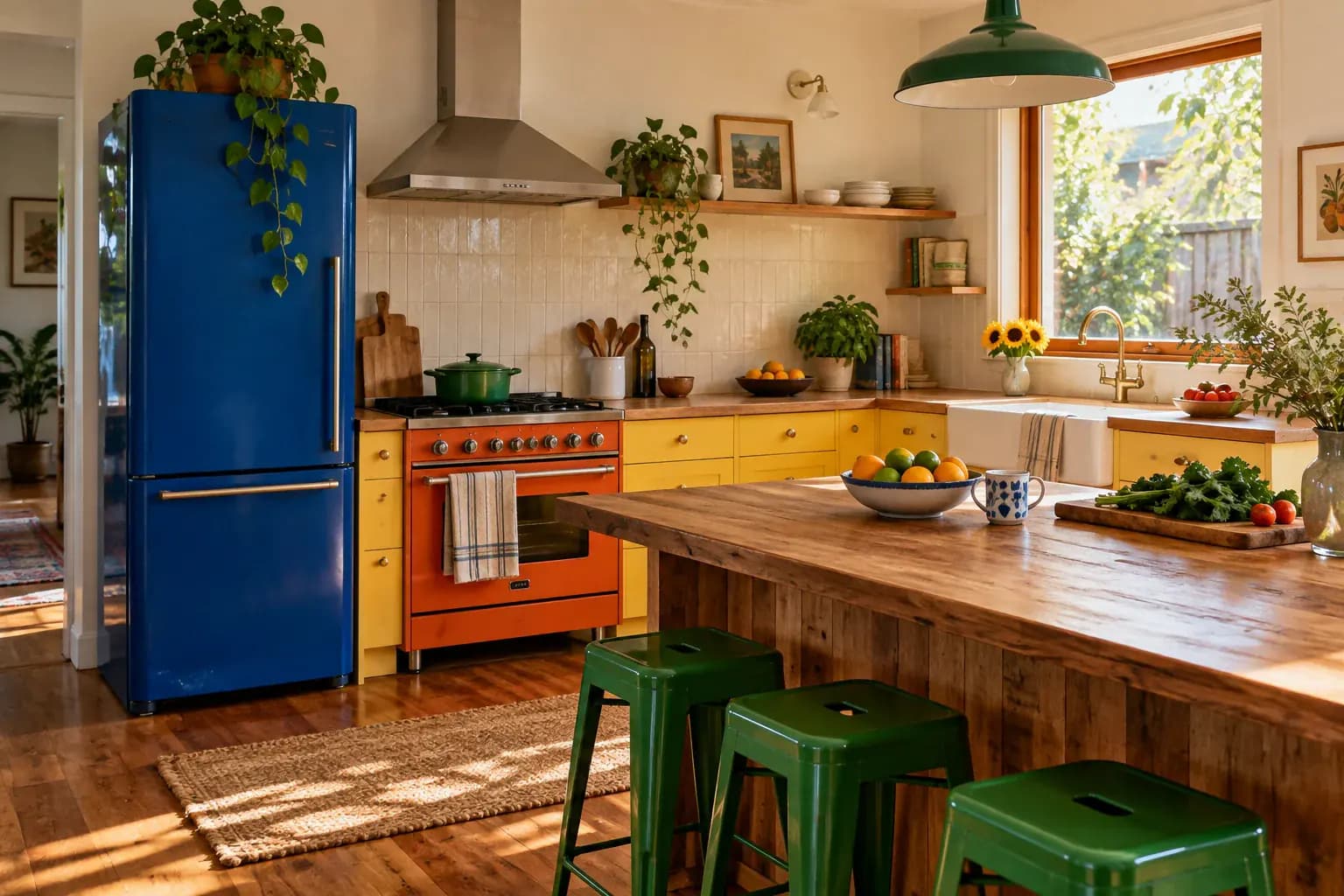
For example, our article on new-car colour choices looks at the options buyers see. The history of colourful kitchens describes specific concerns recorded by appliance retailers in post-war America. Neither explanation should automatically be applied to clothing, buildings or every other industry.
The useful next question is where a lack of colour reflects preference, where it reflects limited options, and where the impression needs better evidence.
More room for personal choice
Grey, white and black can be exactly what someone wants. Our view is that people should also be able to find colourful options that suit their needs and budget.
Bring Back the Colour encourages manufacturers, designers, councils and consumers to make room for personality. That is our vision, rather than a conclusion these two datasets can prove.
The goal is genuine choice: quiet places and lively ones, neutral shades and saturated colours, with room for different tastes.
Sources checked 15 October 2026.
Join the conversation
Keep it constructive, curious and kind. Comments are moderated before appearing.
No published comments yet. Start the conversation.